
Our Blog

When organizations patched CitrixBleed in 2023, attackers stayed in. As CISA's April 2026 KEV additions and the unpatched BlueHammer variants keep the pressure on security teams, the same identity governance failure is repeating. This analysis reconstructs exactly where the control system broke and what to check today.

MOVEit exploitation exposed a critical failure in vulnerability management: organizations had signals, patches, and intelligence—but failed to prioritize and respond to active exploitation. This OFA breaks down where controls failed and what security teams must change.
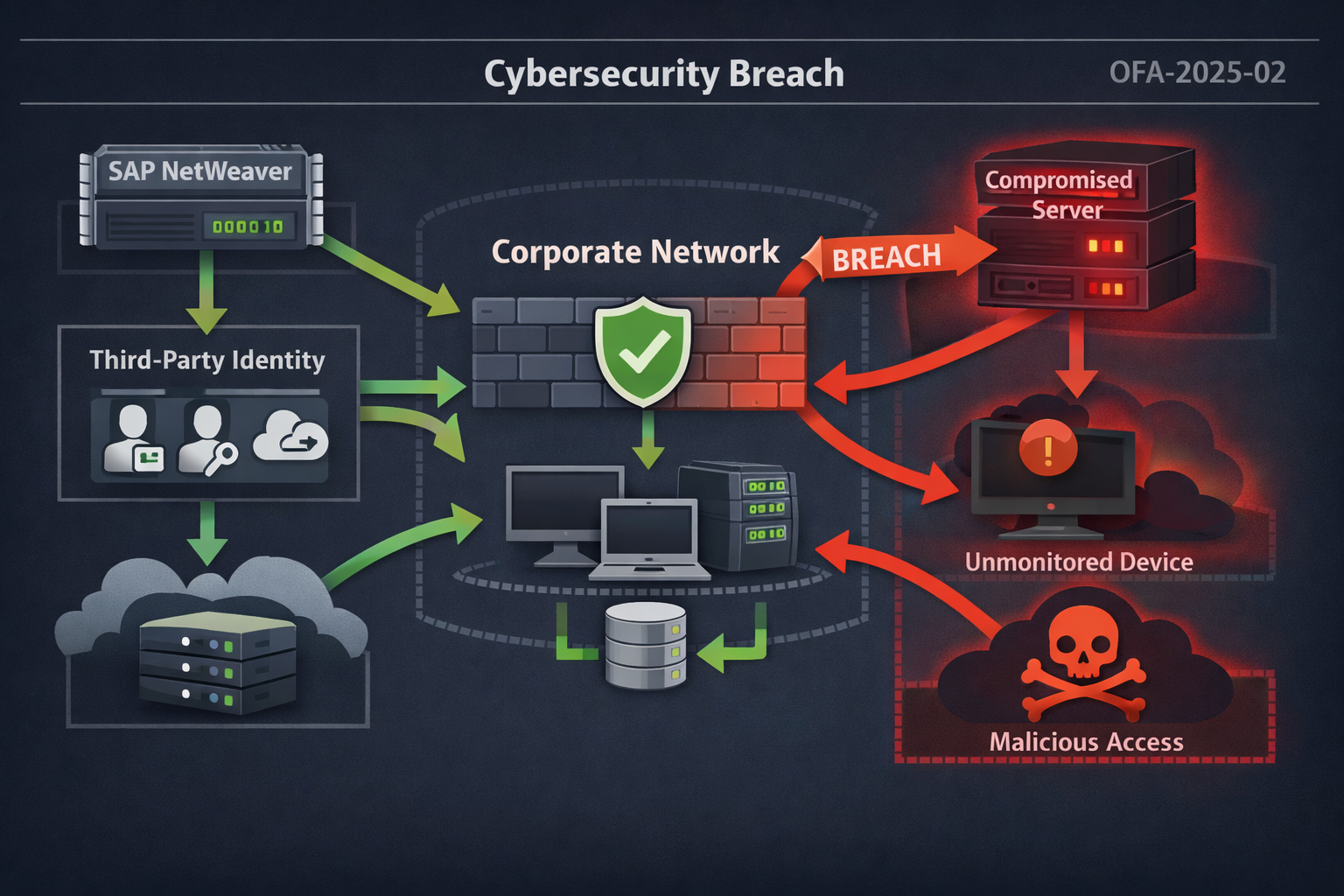
JLR breach analysis highlighting third-party identity exposure, KEV prioritization gaps, and lessons for operational threat intelligence teams.

Operational threat intelligence enables security teams to prioritize real-world risks through detection-focused monitoring and actionable insight. This guide addresses detection challenges, attack chain visibility, and defensive strategies for SOCs confronting identity-based threats, insider risk, and AI-enabled cyber campaigns.