
Critical Threat Intelligence & Advisory Summaries
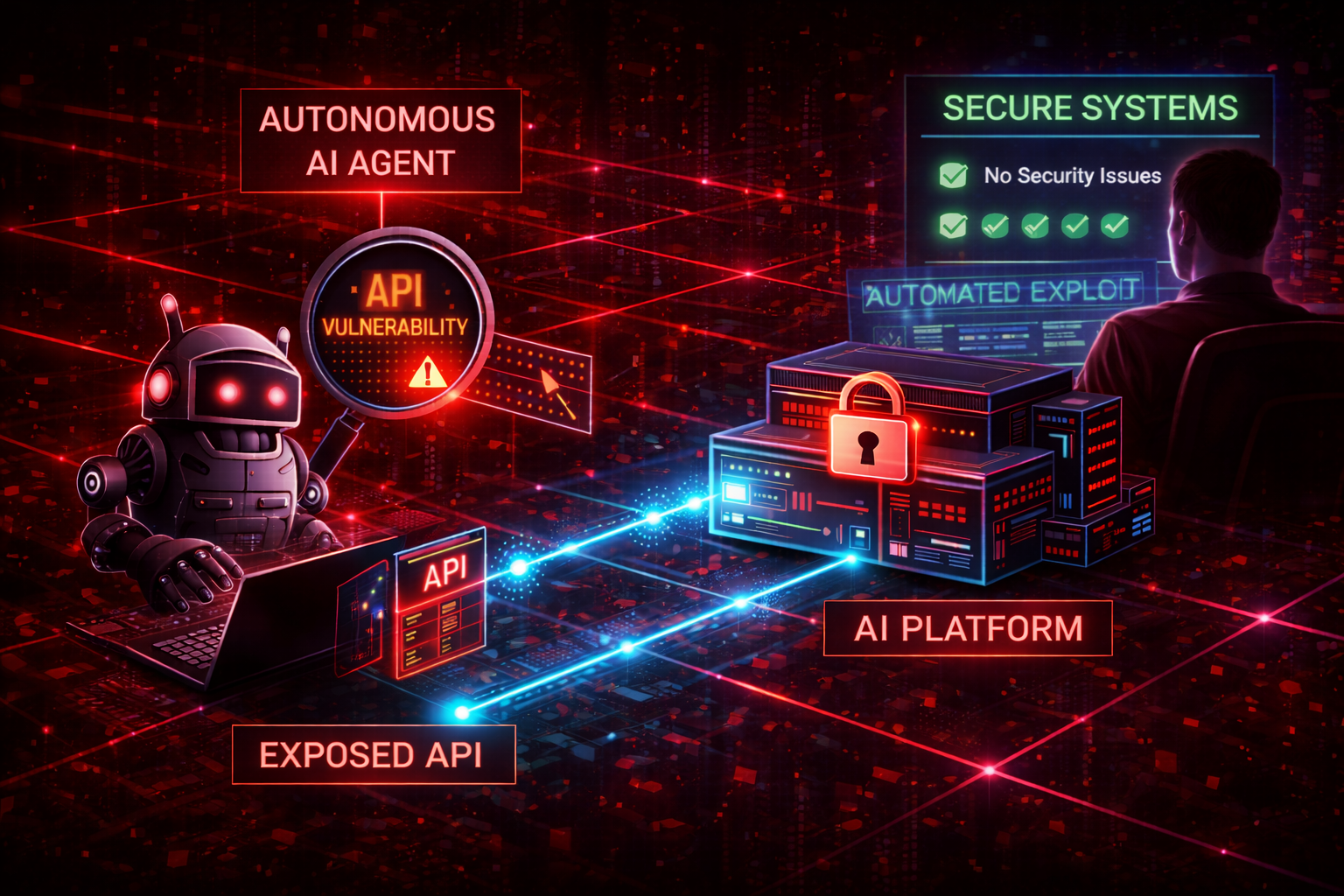
McKinsey’s reported AI chatbot breach highlights a growing enterprise risk: insecure deployment of generative AI platforms. This Operational Failure Analysis examines how identity governance gaps, shadow AI adoption, and weak platform controls can expose sensitive enterprise data.

AI-driven impersonation attacks including deepfake video fraud, voice cloning scams, and synthetic job applicants are redefining enterprise cyber risk. This guide explains the threat landscape and how SOC teams can detect and mitigate AI-enabled identity attacks.
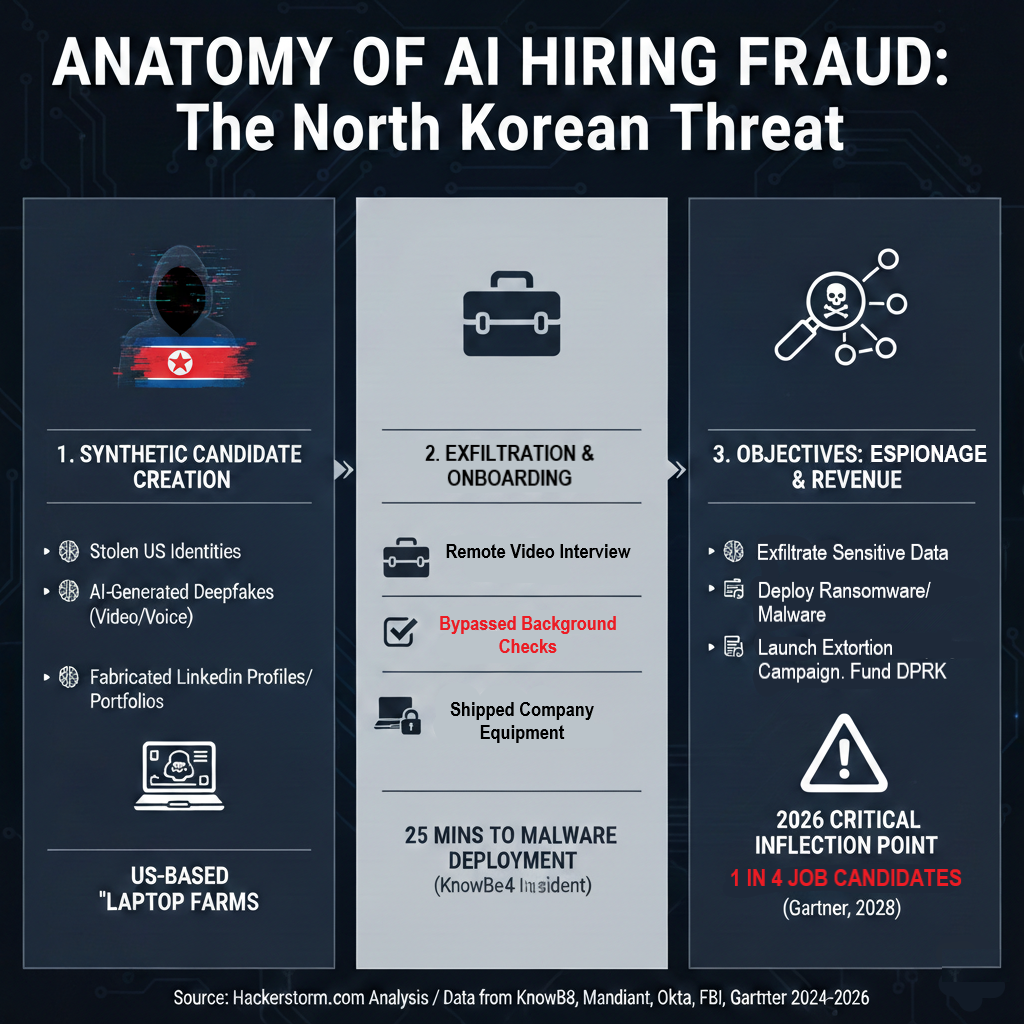
KnowBe4 detected a suspected North Korean IT worker within 25 minutes of onboarding, exposing operational risks from AI-generated resumes, deepfake interviews, and synthetic identities. Security teams should focus on onboarding monitoring, least-privilege access, and early behavioral detection to prevent persistent insider threats.

Recent incidents involving AI-generated job candidates and deepfake employees are creating a new security challenge for organizations worldwide. In 2024, a North Korean operative successfully infiltrated cybersecurity firm KnowBe4 using a fully fabricated identity, passing interviews, background checks, and references before being detected within 25 minutes. Security experts warn that advances in generative AI now allow attackers to maintain multiple fake identities, manipulate video and voice, and gain trusted access to corporate networks. Analysts predict that by 2028, one in four global job applicants could be synthetic. Companies are urged to treat identity verification as a continuous security process, implement layered monitoring, and prepare for AI-enabled threats entering through trusted hiring processes. This article explains the lessons from the KnowBe4 incident, the evolving risk landscape, and practical controls organizations can adopt.

In 2019, criminals cloned a CEO’s voice and exposed a fatal flaw in how organizations verify identity. Six years later, that same flaw is driving billions in AI-powered fraud losses.